Regions of Scotland
Ten regions, from the castles of central Scotland to islands closer to Norway than to London. Pick two or three and give them time.
Distances in Scotland are moderate, but journey times are not. A road that looks short on the map can be single-track for 30 miles, and island trips depend on ferry timetables. As a rough guide, allow at least two nights in any region you want to explore rather than pass through.
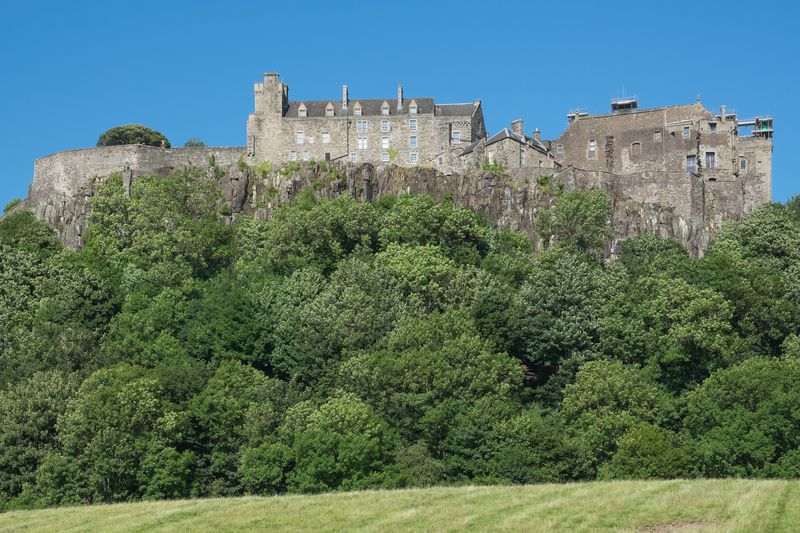 Stirling, Fife and St AndrewsRoyal castles, the home of golf and the fishing villages of the East Neuk, all within an hour of Edinburgh.
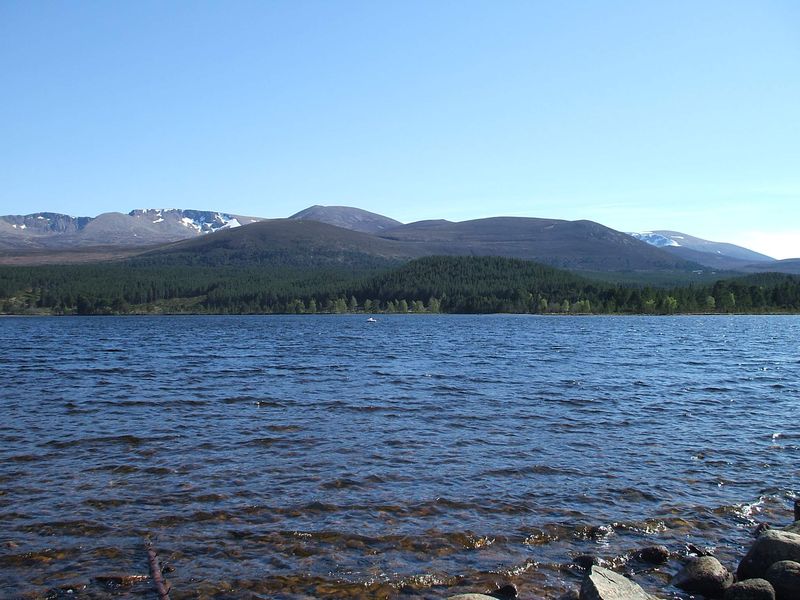 Perthshire, the Cairngorms and SpeysideWoodland towns, Britain's largest national park and the Speyside distilleries along the A9 north.
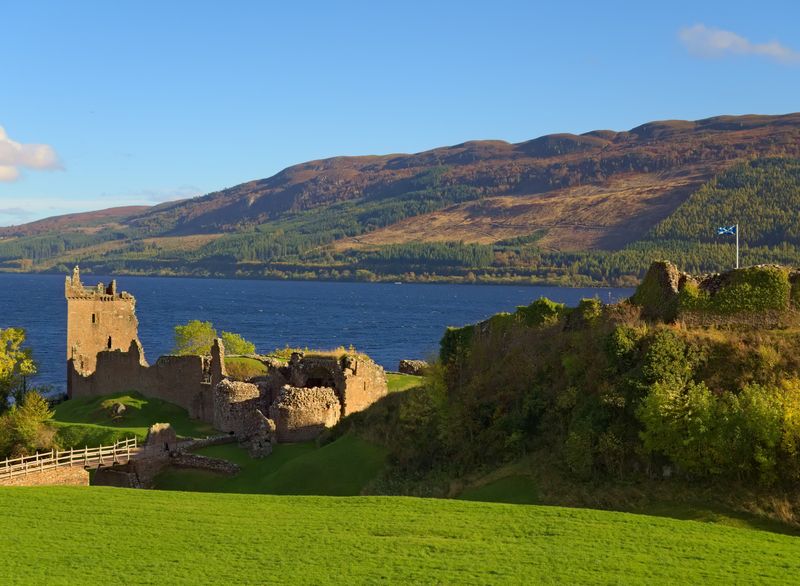 Loch Ness and InvernessThe Highland capital, Culloden battlefield and a long, dark loch with a famous castle.
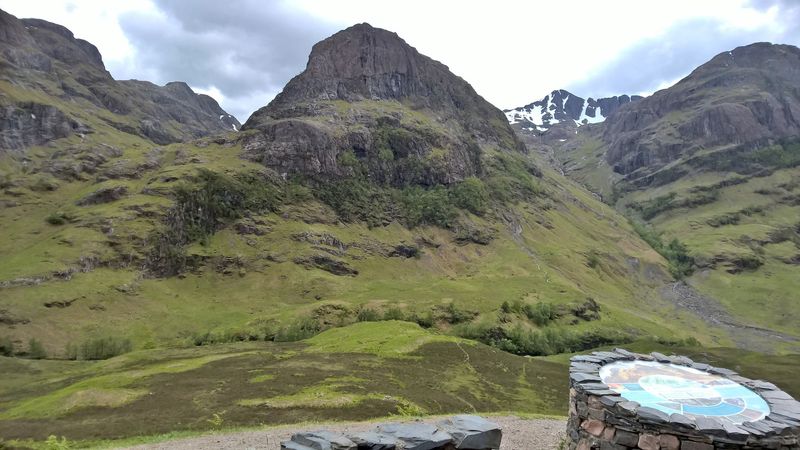 Glencoe, Fort William and ArgyllGlencoe, Ben Nevis, the Glenfinnan viaduct, Oban and the islands of Argyll.
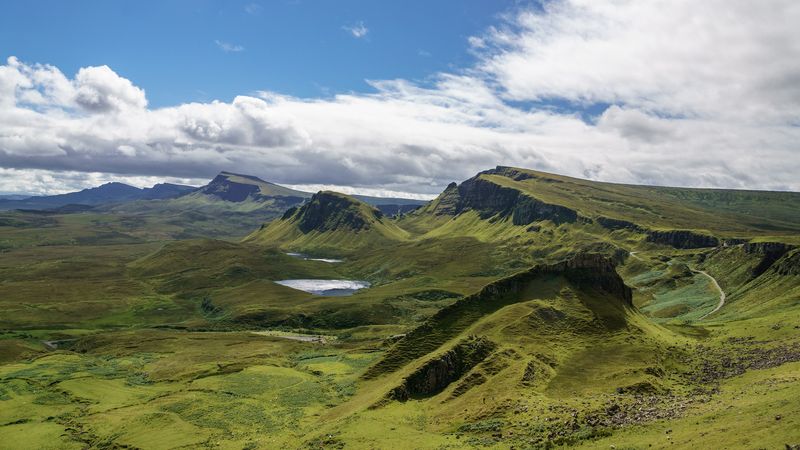 Skye and the Small IslesScotland's best-known island, plus four small car-free islands reached from Mallaig.
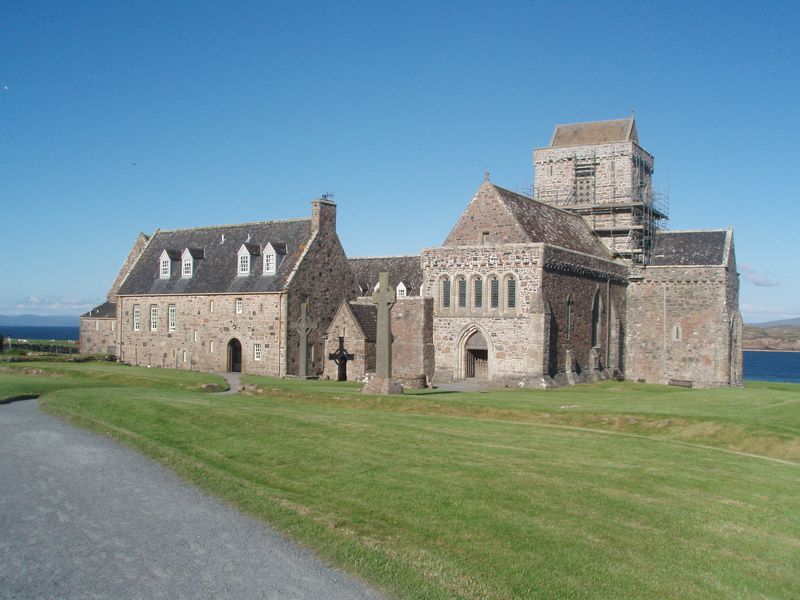 Mull and IonaColourful Tobermory, wildlife, the sacred island of Iona and boat trips to Staffa.
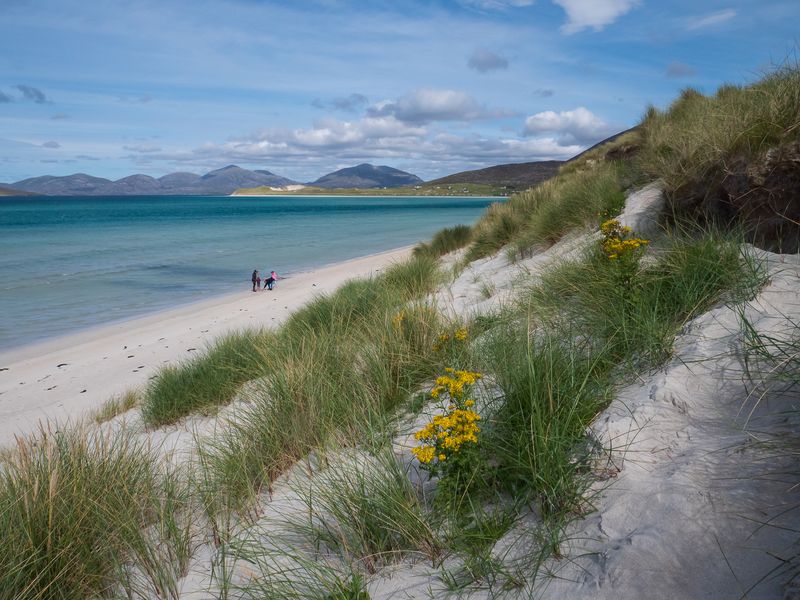 The Outer HebridesLong white beaches, standing stones, Gaelic culture and a chain of islands linked by causeways and ferries.
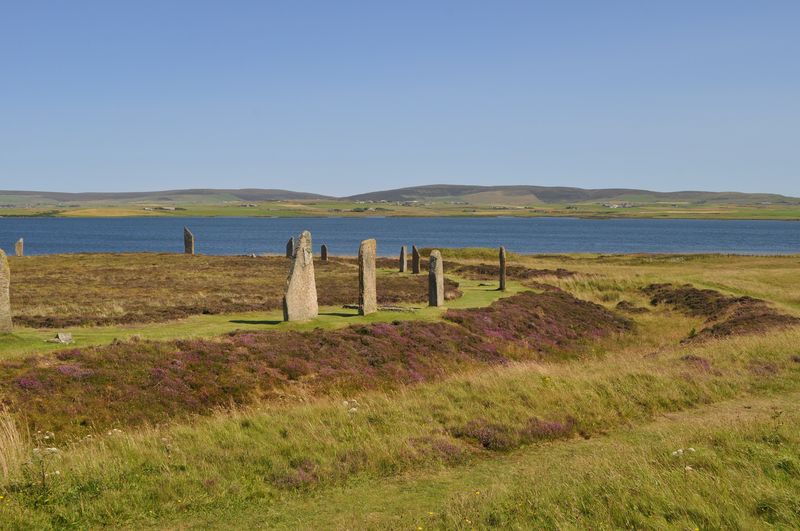 Orkney and ShetlandNeolithic villages and stone circles in Orkney; seabird cliffs and Norse heritage in Shetland.
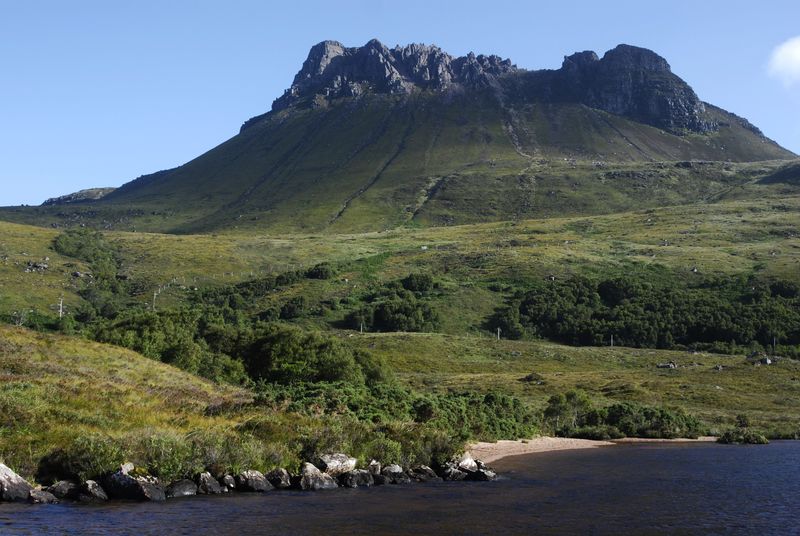 The North Coast 500 and the far north-westA 516-mile loop through the emptiest mainland landscapes in Britain. Give it time.
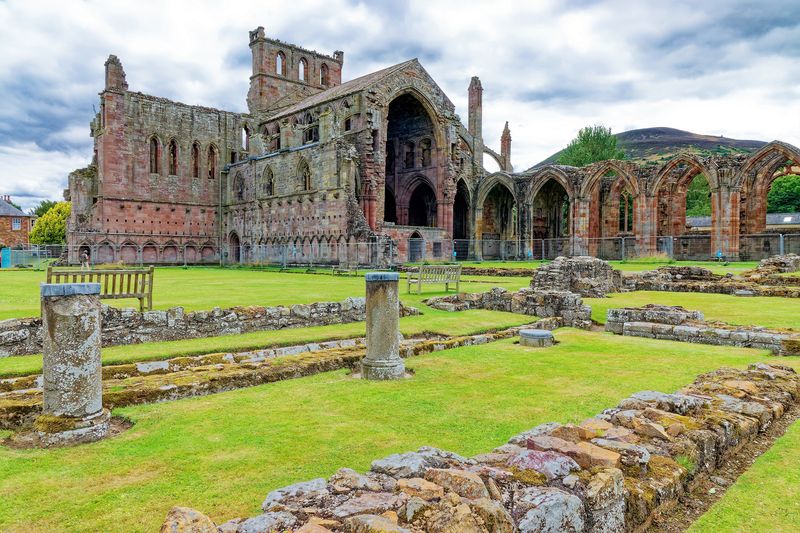 The Borders and Dumfries & GallowayRuined abbeys, rolling hills, dark skies and a quiet coast, well away from the Highland crowds.
Combining regions
- First trip, one week: Edinburgh, Glencoe and Fort William, Skye, Loch Ness. See the 7-day itinerary.
- West coast and islands: Oban, Mull and Iona, then north to Skye.
- Far north: the NC500 combined with Orkney, using the short ferry from Caithness.
- Quieter Scotland: the Borders, Dumfries and Galloway, and Fife suit people who want history and coast without Highland traffic.